


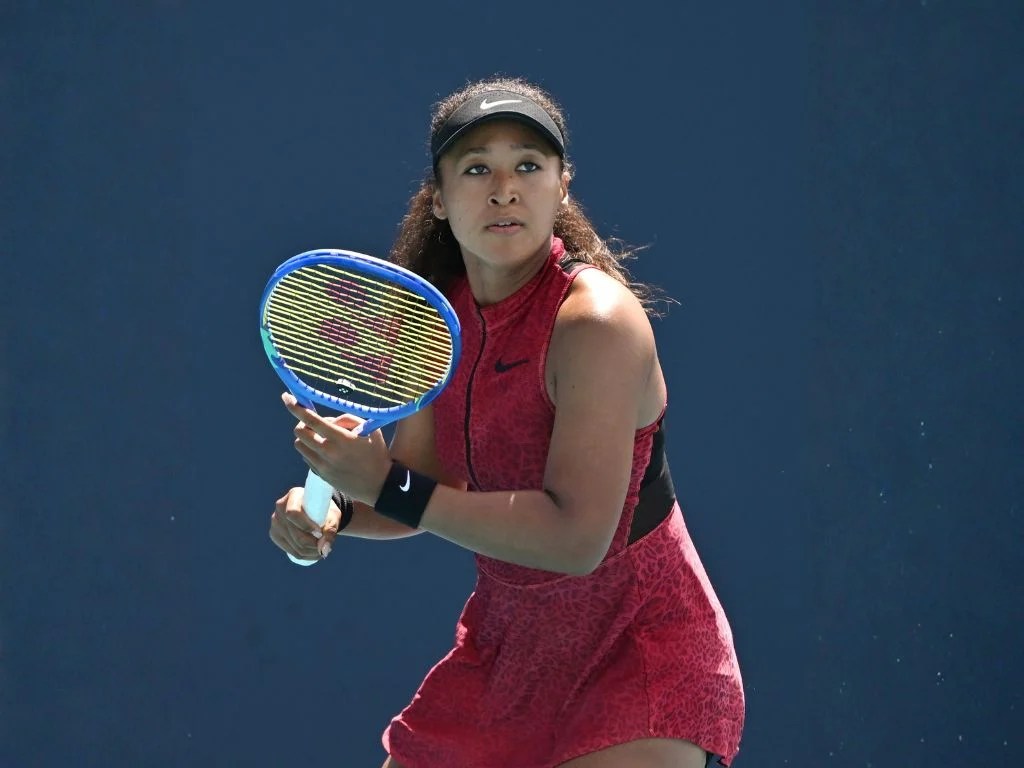
Naomi Osaka responded to criticism surrounding her event for black tennis players and used the moment to explain why representation is important.
Tennis pro Naomi Osaka is not backing down from criticism after hosting a party celebrating black tennis players. Instead, she leaned into it and turned the backlash into a conversation about identity, visibility, and who is questioned for building community.
The four-time Grand Slam champion responded directly to critics on social media after some users questioned the idea of an event centered on black players, asking why people couldn’t simply celebrate “everyone” or questioning whether a similar gathering of white players would be acceptable.
Osaka gave a personal explanation based on her own experience.
“First and foremost, I do love everyone regardless of their race and ethnicity,” she wrote, adding that she could only speak from her own life and recalling how, as a young tennis player, she rarely saw people who looked like her in the sport.
She went a step further and directly challenged the criticism.
“To those who asked this question, I also want to ask you this question, ‘What is it about POC gatherings that makes you so uneasy?'”
Osaka also tied her stance to family experiences, saying that while she was growing up, she witnessed her father face discrimination and be summoned by police on the tennis court. She concluded by saying that celebrating black identity is not something she would apologize for, and viewed the gathering as a recognition of progress, not rejection.
The reaction exposed familiar fault lines that Osaka has occupied for years. Since becoming one of tennis’s biggest stars, she has repeatedly used her platform to discuss race, representation and social issues in the historically whitest sport.
Osaka paused the 2020 season after Jacob Blake was shot by police and later wore a mask with a name associated with racial justice protests during her run for the U.S. Open title.
Her comments also come at a time when discussions surrounding representation in tennis continue to surface. Recently, Gael Monfils reflected on his career and expressed his gratitude for inspiring more black athletes to pursue the sport.
Osaka has publicly praised the influence and compared it to that of previous generations of players.
Critics of Osaka’s latest comments were mainly social media users rather than other celebrities or commentators.
The full text of Osaka Prefecture’s statement is as follows:
“You know I see a bit of this – ‘Why can’t you love everyone of all colors?’ and ‘What if someone had an all-white party?!’ First of all, I do love everyone no matter what their race and ethnicity is (I’m actually half Japanese, haha).
I can only speak from experience in my own life though, as a tennis player I didn’t see a lot of people who looked like me and I felt it was important to celebrate them. Secondly, I think it’s important to note that all white dinner parties/parties are white. I don’t know how else to tell you this, I do see them all the time and never have any issues.
To those who have asked this question, I also want to ask you this question, “What is it about POC gatherings that makes you so upset?” Finally, I want to say that I grew up watching my father be discriminated against and was called out by the police multiple times on the tennis court.
I’ve apologized for a lot of things in my life, but celebrating being black and appreciating who we are, I would never consider saying sorry. Thanks.
Actually I lied, I’m sorry. I feel sorry for the people who can’t understand, whose brains can’t grasp that this isn’t rejection, it’s a celebration of how far we’ve come. “
