


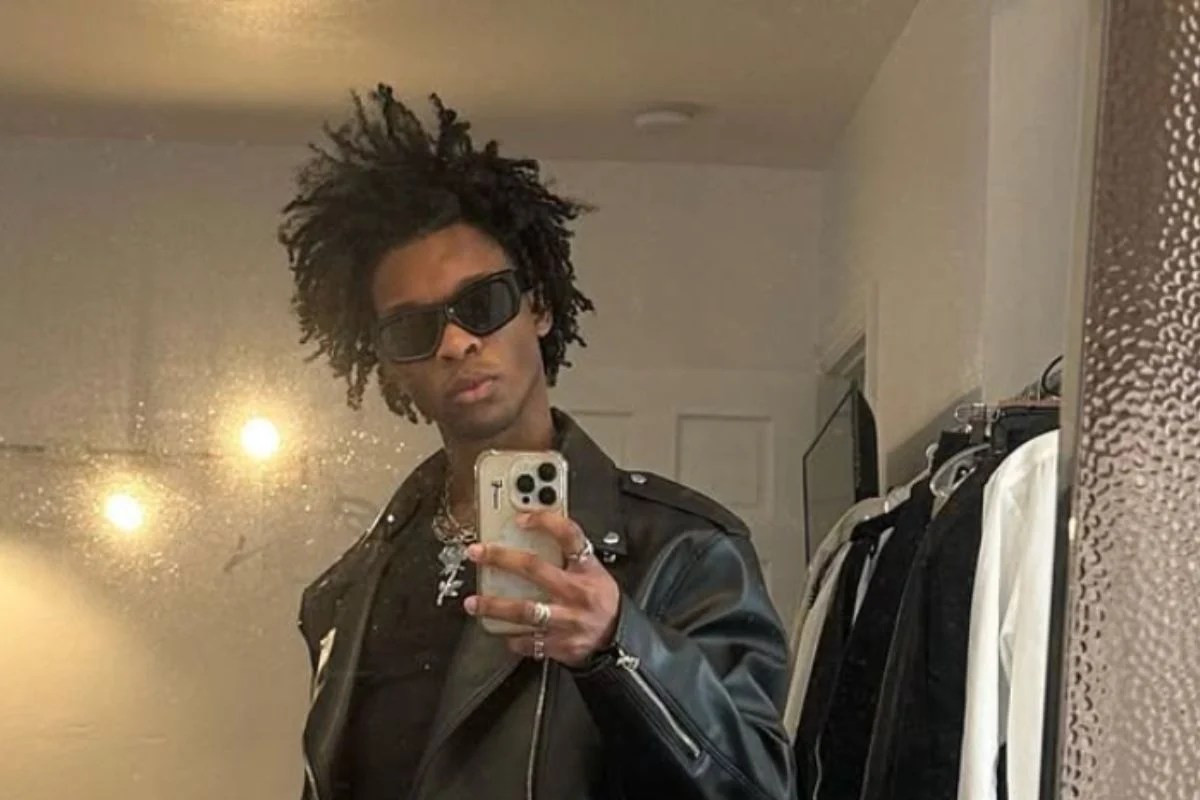
D4VD faces growing industry pressure after being accused of murdering and sexually abusing minors, prompting streaming platforms and collaborators to take action.
D4VD is facing increasing pressure from the music industry after being charged with first-degree murder and sexual abuse of a minor.
The charges stem from the death of 14-year-old Celeste Rivas Hernandez, whose body was found in the trunk of a Tesla owned by the artist.
Prosecutors say he sexually abused the teen for more than a year before killing her to protect his career and suppress her threats to reveal the relationship.
Industry Blackout, a group dedicated to reforming systemic inequalities in music, has launched a petition calling on streaming platforms to remove D4VD’s entire catalog from their services.
The petition has 1,489 verified signatures and targets key policymakers including California Governor Gavin Newsom.
The petition states that the organization believes that continuing to profit from an artist facing such large-scale accusations sends the wrong message about industry responsibility.
Brand response is already starting to move in this direction. Interscope Records quietly dropped D4VD last year, and Universal Music Group has been helping artists remove tracks with him from the streaming platform.
Artists such as Kali Uchis, Holly Humberstone and others have withdrawn their collaborative projects, a sign that the industry is taking action without waiting for the legal process to play out.
What is particularly important about this case is how it exposes the gap between corporate values statements and actual business practices.
The music industry has long sought accountability, a situation that has forced streaming platforms to decide whether to continue receiving revenue from artists facing such serious accusations.
D4VD has pleaded not guilty to all charges and legal proceedings will continue, but industry reaction suggests waiting for a verdict is no longer the norm.
The petition stresses that this is not about rushing to judgment, but about drawing clear lines on what the industry will tolerate.
