


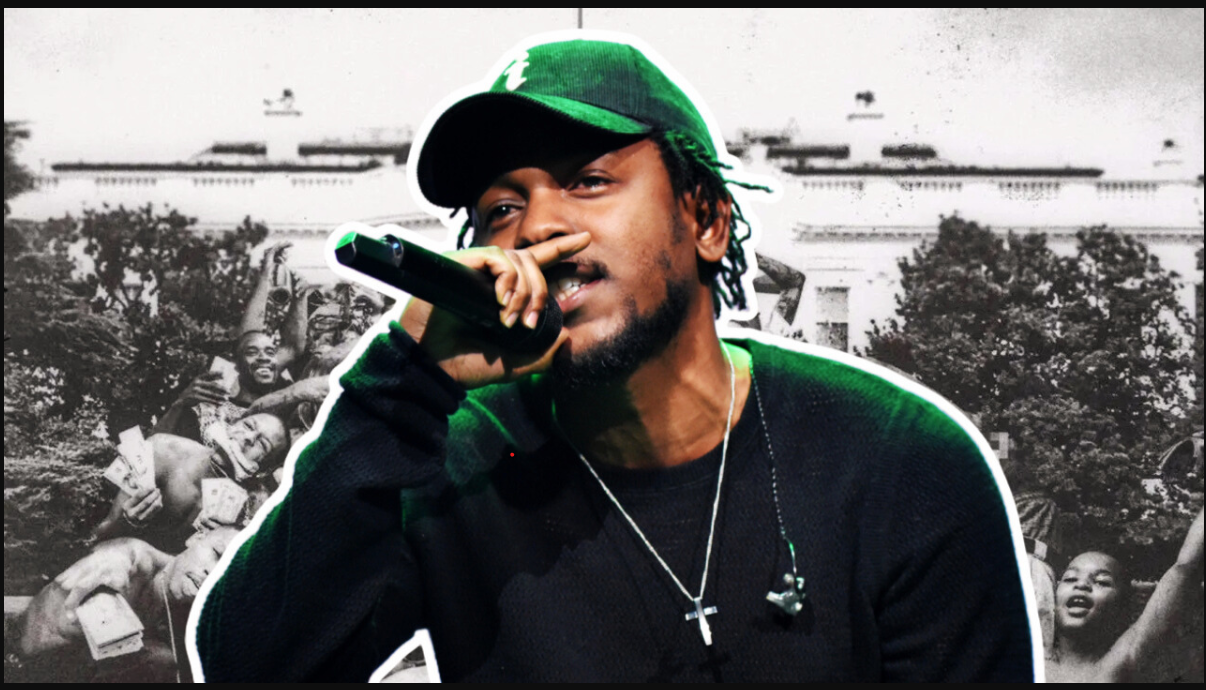
Released in 2015, Kendrick Lamar’s To Pimp a Butterfly revolutionized hip-hop with its profound lyricism and genre-blending sound. The album has become a touchstone for both the genre and broader music landscape, celebrating its tenth anniversary in 2025. What sets To Pimp a Butterfly apart is its seamless fusion of jazz, funk, soul, and spoken word, creating a rich musical landscape that challenges the conventions of modern rap.
A Deep Dive into Social and Political Themes
The album goes beyond personal storytelling, diving deeply into issues like racial identity, systemic oppression, and mental health. Lamar weaves together narratives of his own struggles with the African American experience, touching on themes like the burden of fame and the complexities of self-worth. His poetic lyrics dissect the complexities of the black experience in America, with references to historical figures and cultural movements.
Innovative Sound and Production
The production, spearheaded by Lamar and his team, is as ambitious as the lyrics. To Pimp a Butterfly defies expectations, offering lush arrangements and experimental sounds that blend genres in an unexpected way. From the triumphant horns on tracks like “Alright” to the reflective piano of “u,” the album feels like a sonic journey through Lamar’s consciousness and the history of black music in America.
Cultural Impact and Legacy
The influence of To Pimp a Butterfly extends beyond the music world. It sparked conversations about race and identity in a way that few albums had before, earning it a place in the cultural zeitgeist. The album’s impact has only grown in the years since its release, influencing a new wave of artists who see Lamar as a blueprint for navigating social issues through art. His mix of introspection and activism, along with his innovative sound, set a new standard for what hip-hop could achieve.
Conclusion: A Masterpiece that Still Resonates
Ten years after its release, To Pimp a Butterfly remains a landmark in hip-hop and continues to inspire artists, listeners, and thinkers. Kendrick Lamar’s work on this album, both as a storyteller and a musical innovator, has solidified his place in music history. It’s not just an album—it’s a moment in time that captures the struggles and triumphs of the African American community, making it a timeless work of art.
