


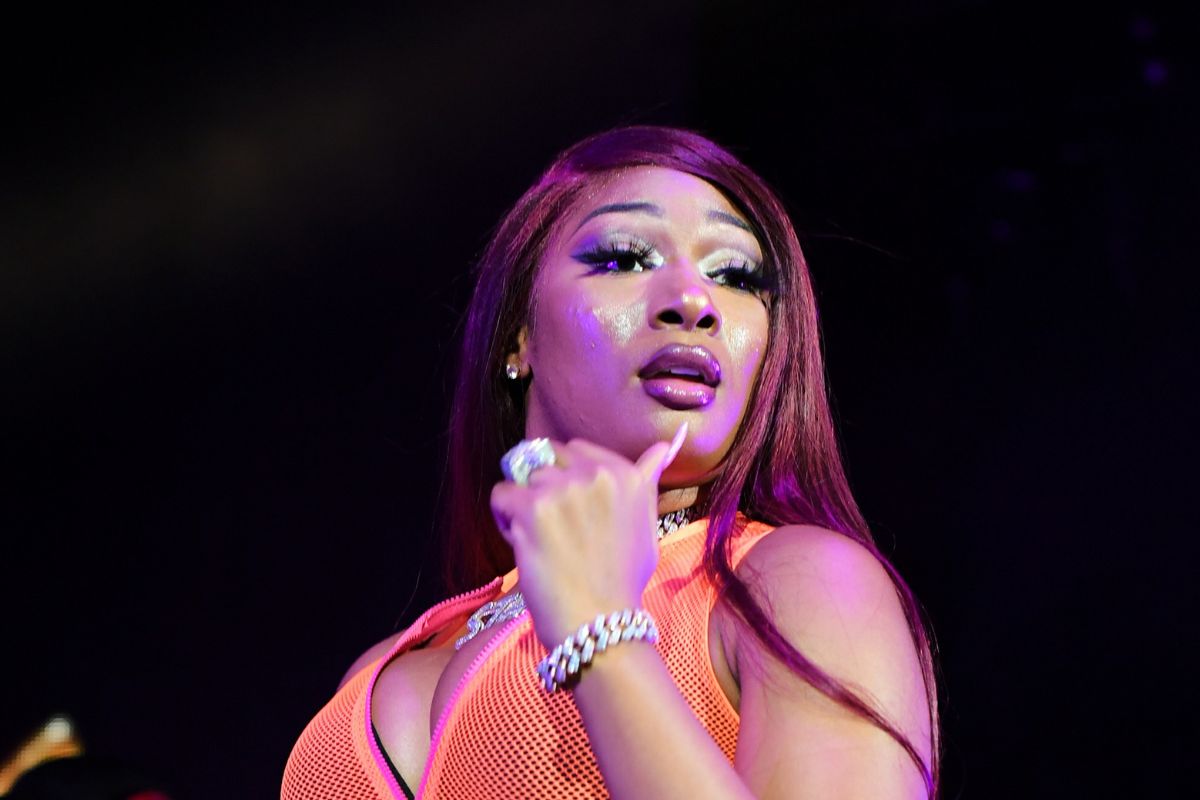
Megan Thee Stallion is losing money after a federal judge blocked her attempt to silence critic Milagro Gramz, citing First Amendment protections.
A Miami judge has denied Megan Thee Stallion’s request to permanently ban blogger Milagro Gramz.
Meg’s defeat comes on the heels of a huge win, with a jury finding Gramz liable for emotional distress as well as deepfake porn promoting the rapper.
The judge’s 40-page opinion detailed why First Amendment concerns outweighed Meghan’s request for additional relief, even though the remarks caused real harm, TMZ reported.
Last year, a jury awarded Megan Thee Stallion $59,000 in damages for emotional distress and for posting a deepfake video of the rapper.
The money represents a major win. But when Meghan’s legal team asked the judge to further ban Milagro Gramz from making future statements about her, the court refused.
Judge Cecilia Altonaga found that granting such an injunction would violate the First Amendment because it functions as a “prior restraint” on speech, essentially prohibiting someone from speaking before they actually say it.
The judge’s reasoning was simple. Milagro Gramz never personally tracked Megan down, appeared on her show or contacted her directly.
These are the features that are actually tracked. The court also noted that Meghan had received what the law provides for past injuries: monetary damages. She failed to prove that any real, immediate threat was occurring, only the possibility that it could happen again.
Megan argued that Milagro-Gramtz’s behavior after the sentencing showed ongoing harassment, but the judge wasn’t convinced.
Posts about making a mixtape, responding to social media users and sharing her opinions in a CBS News interview do not meet the legal definition of cyberstalking.
The court emphasized that whether a communication would cause emotional distress must be narrowly interpreted and judged based on what a reasonable person would experience.
Constitutional issues are the most prominent. Even though the court could theoretically issue an injunction banning the defamatory speech after the trial, the judge said Meghan’s proposed restrictions were too broad.
She wants to bar Milagro Gramz from making any statements about her testimony in Tory Lanez’s trial, her mental state, her drinking and her family.
This is not narrow customization. It’s a blanket ban on future speech on specific issues that courts have consistently struck down as unconstitutional.
Florida law also goes against Meghan. State appeals courts have consistently held that an injunction cannot be used to stop someone from publishing insults or lies.
Milagro Grammz’s post was indeed offensive and vulgar, but offensive remarks alone are not grounds for suppressing someone’s future expression.
Judge Altonaga’s decision means Milagro-Gramez can continue to publish information about Meghan, although she remains liable for any future comments that are proven defamatory.
