


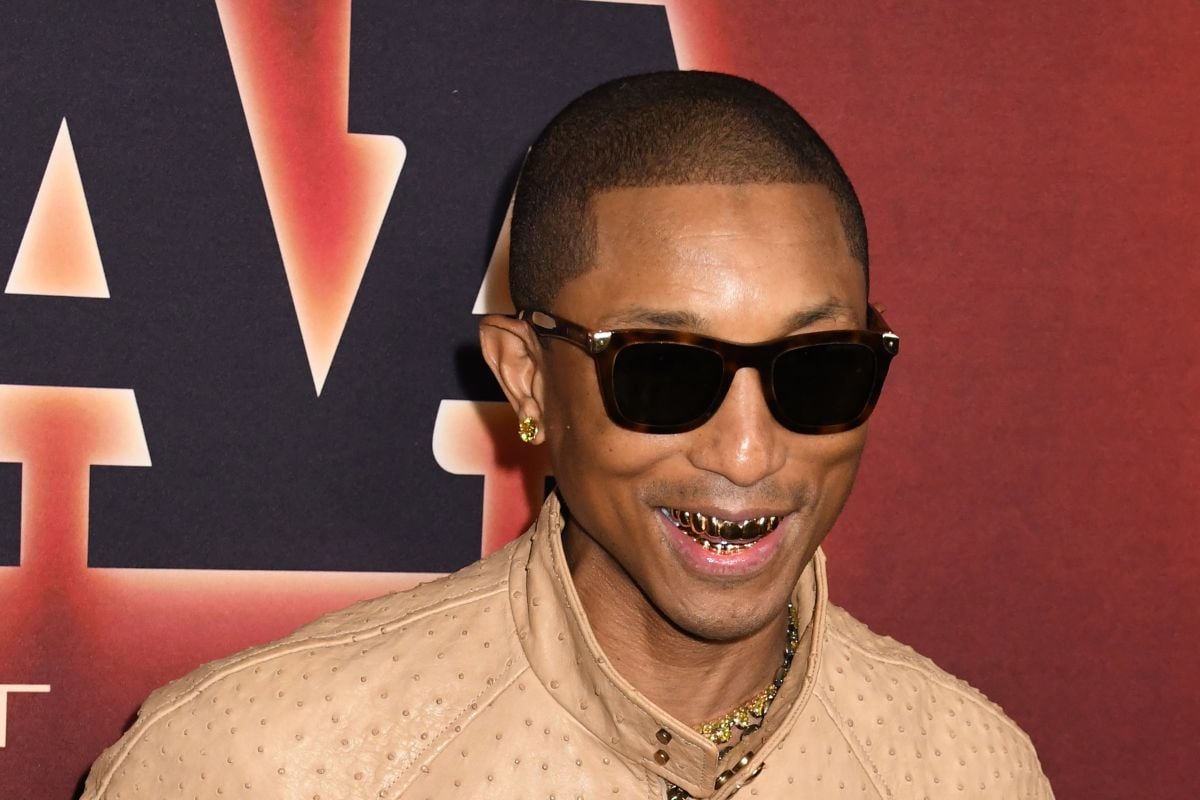
Pharrell Williams has watched as a South Beach-based hotel business becomes embroiled in court battles as lenders move to seize control of a troubled Miami hotel.
A Farrell-backed Miami luxury hotel project faces financial turmoil as a $150 million foreclosure lawsuit threatens one of South Beach’s most closely watched developments.
The Goodtime Hotel, a seven-story, 266-room hotel, has become the focus of a foreclosure complaint filed by CMMT, a Los Angeles subsidiary of commercial real estate firm CIM Group. The lender claims the ownership entity, Washington Squared Owner, defaulted on a $152 million loan related to the property development, according to court documents cited by the Miami Herald.
The lawsuit does not officially name Williams or Miami nightlife figure David Grutman as defendants, although both men had close ties to the project when it launched in 2021. Reports indicate that neither man has been involved in the scheme since mid-to-late 2024.
Instead, the ownership group is controlled by Dreamscape Companies, a New York hotel development company led by CEO Eric Birnbaum. Farrell is reportedly a minority shareholder but is often reported as a spokesperson.
When this pastel-colored hotel first opened, it was marketed as more than just another boutique hotel. Developers see it as a spark to revitalize Washington Avenue, which has long been overshadowed by the busy Collins Avenue and Ocean Avenue corridors. The hotel leans toward a party-driven image, with rooftop pool parties, tropical aesthetics and nightlife energy designed to match the city’s image.
But reality appears to be more complex.
Visitor numbers and occupancy rates in Miami Beach have reportedly flattened, making it harder for restaurants to meet financial expectations. Meanwhile, vacant storefronts along Washington Avenue continue to pose challenges for broader redevelopment efforts.
Daniel Ciraldo, former executive director of the Miami Design Preservation Alliance, described the original vision for the corridor.
“Our goal is to bring in more retail,” Siraldo said.
Instead, he added, “the good times ended up being in the party scene.”
As losses mounted, lenders have stepped in to cover operating expenses, including payroll obligations and unpaid Florida sales taxes, according to the complaint. The foreclosure action follows earlier legal friction between the lender and developer as both sides tried to negotiate control of the property.
A separate legal dispute reported by The Real Deal claims developers including Dreamscape and investor Michael Fascitelli were responsible for at least $10 million in operating losses but failed to pay. In response, the developer argued that the lender was trying to exploit drafting errors in the loan agreement to expand its financial exposure.
The initial loan, which may have reached $164 million, was later reduced to $152 million, court documents said. Lenders claim about $149.3 million remains unpaid, not including interest or additional fees.
Lawyers involved in the case either declined to comment or did not respond to media inquiries.
