


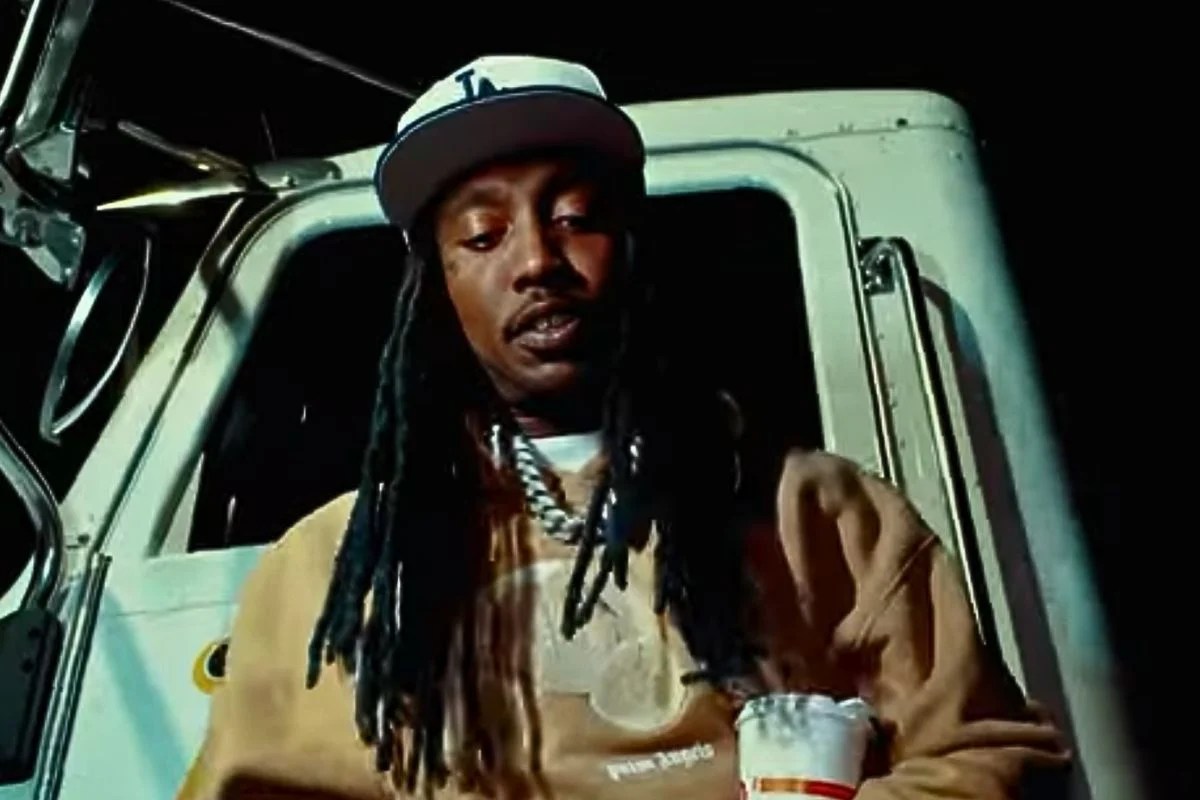
Bricc Baby seeks a reduced sentence while distancing herself from a massive gang case and looking back on a troubled past.
Bricc Baby, who faces federal prison time as a result of sweeping crackdowns in the ’60s, is asking a judge to look beyond the indictment and focus on a life shaped by trauma and survival.
Bricc Baby, whose name emerged in a broader federal case related to the Rollin’ 60s Neighborhood Crips, pleaded guilty to being a felon in possession of a firearm.
His charges are unrelated to the racketeering charges against Eugene “Big U” Henley Jr., but prosecutors have included him in the broader investigation.
The investigation spanned several years and targeted what federal authorities said was a network tied to Rollin’ in the 1960s and a business allegedly led by the Big U.
The indictment accuses Henry of running a Mafia-like organization that engaged in crimes including fraud and violence, and multiple associates and affiliates were charged.
Bricc Baby’s role in the broader case centers on firearms charges rather than the more serious racketeering charges.
Authorities specifically charged him and others with being felons in possession of firearms during a crackdown linked to the group.
Now, as sentencing approaches, Bricc Baby is asking the court to separate his personal story from the weight of the larger case.
He faced a guideline sentence of 63 to 78 months, but requested 57 months, according to his defense documents. His legal team believes the higher range reflects an exaggerated criminal history rather than who he is today.
They made clear he was not denying responsibility. He “accepted responsibility for his actions and pleaded guilty to one count of being a felon in possession of a firearm,” the document said.
What they’re pushing hard for is backstory.
Bricc Baby described what his attorney described as a difficult upbringing born of loss and instability.
As a child, he lost his brother, whom he considered a father figure, leaving him without guidance during critical moments. They believe this absence led him to the streets and early contact with the criminal justice system.
The violence followed him into adulthood. He survived two separate shootings, one of which left him with spinal injuries and partial paralysis.
These experiences, combined with continued exposure to violence, led to diagnoses of post-traumatic stress disorder, depression and anxiety.
His attorneys argue those details are important when weighing punishment.
They claimed his criminal history category exaggerated his past and pointed to earlier nonviolent offenses that increased his sentencing range. Some include minor cases and technical violations that they believe do not reflect a serious or escalating pattern of behavior.
They also highlighted what they said were transformations in his life.
Prior to her arrest, Bricc Baby worked in the entertainment industry as a rapper and podcaster to earn income and support her family. Letters submitted to the court described him as a constant presence in the children’s lives, with one saying he was “by her side in every way imaginable”.
Still, the backdrop of the “Rolling Sixties” hangs over everything.
Federal authorities have made clear that the broader indictment is aimed at dismantling what they say is an organized crime network linked to the gang and its associates.
Even for defendants facing narrower charges, that context is important in how the public and the law view the case. Bricc Baby’s argument comes down to distance.
His legal team is asking the court to treat him as an individual rather than a symbol of a larger indictment tied to the Big U and Rollin’ 60s.
A judge will ultimately decide whether the difference is enough to justify a request for a 57-month sentence.
