


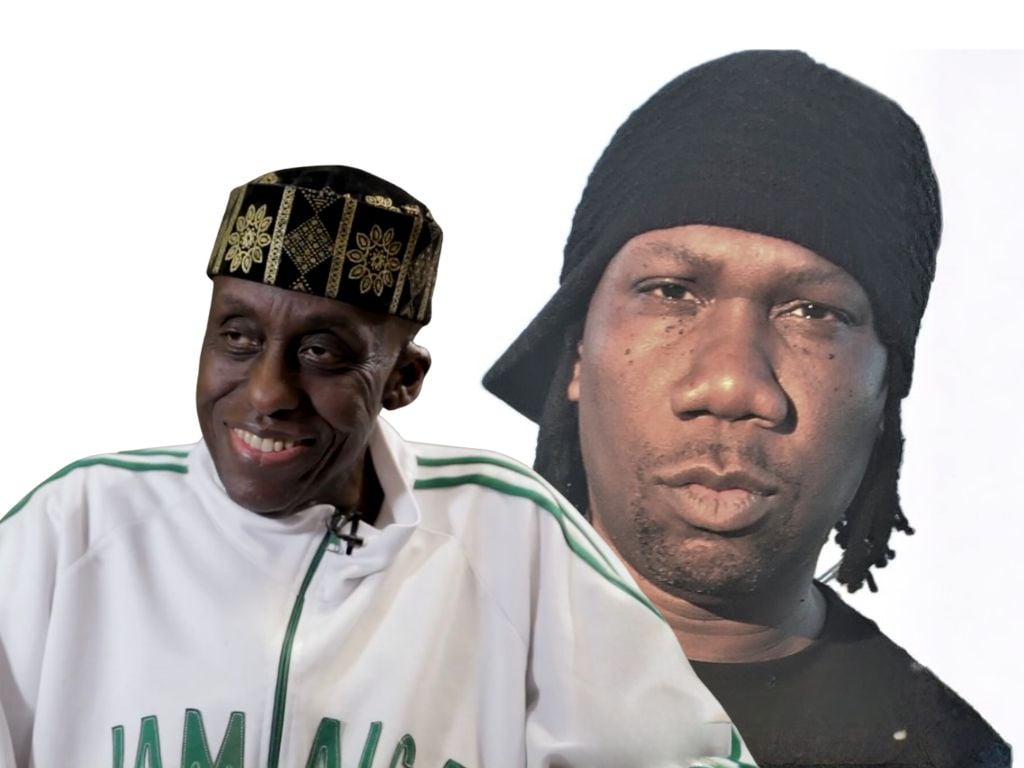
Bill Duke says KRS-One became his “foundation” in hip-hop because the legendary emcee combined intelligence, political courage and respect for black women that few rappers can match.
Veteran Hollywood actor and director Bill Duke has worked with some of the biggest names in entertainment, but when it comes to hip-hop, his homage belongs firmly to one of the culture’s most intellectual pioneers: KRS-One.
In a recent interview with AllHipHop, the “Predator” and “Menace II Society” star reflected on the wave of rappers who made it to Hollywood in the 1990s. Names like Will Smith, Ice Cube, Ice-T and Queen Latifah helped redefine what was possible for hip-hop artists in film and television.
But when asked about hip-hop artists in general, Duke immediately turned the conversation to those he considers critical to his thinking.
“As far as rap artists go, my foundation is that I listen to every word he writes, KRS-One,” Duke said. “He’s the godfather.”
KRS-One rose to prominence in the late 1980s as the leader and co-founder of Boogie Down Productions and was known for combining social commentary with lyrical skill, earning a reputation as one of hip-hop’s most influential conscious rappers. He is also an unparalleled fierce MC.
Bill Duke says KRS-One makes listeners think
Duke explains to Chuck “Jigsaw” Creekmuir that his admiration goes beyond music. To him, KRS-One represents the intellectual and moral backbone of hip-hop.
“When you listen to his music, he makes you think and feel,” Duke said. “He’s brave. He’s political, but he also makes you think about yourself and your value and worth.”
Throughout his career, KRS-One helped establish what many consider the blueprint for conscious rap by emphasizing education, social awareness, and self-empowerment in songs like “My Philosophy” and “Sound of da Police.”
Duke says it’s this substance that sets him apart from many others.
Respect for women is also outstanding
Duke said another major reason he was attracted to KRS-One was the rapper’s treatment of women in his music.
“He was not disrespectful to black women or any woman,” Duke explained. “His music is powerful.”
For Duke, the combination of wisdom, information and respect moves KRS-One beyond entertainment and closer to education.
“KRS-One is my foundation,” added Duke, who is in his 80s. “I’ve always loved this foundation.”
Hip-hop’s intellectuals still matter
Duke’s comments also highlight the generational connection between hip-hop’s early “edutainment” era and Hollywood figures who view the genre as more than just music. KRS-One famously promoted the idea of hip-hop as a cultural philosophy, even founding the Hip-Hop Temple to promote knowledge and cultural awareness. Currently, the Temple of Hip Hop is located in Newark, New Jersey.
For Duke, this deeper purpose sets Bronx MC apart from the crowd of artists transitioning into mainstream entertainment.
The conversation also revealed Duke’s own connection to hip-hop culture. During the interview, AllHipHop’s Chuck Creekmur noted that he’s interviewed KRS-One multiple times, including a marathon interview that lasted three hours — something he seemed to appreciate considering Duke’s respect for the artist’s intelligence.
Also Read: Bill Duke Speaks: Hollywood Walk of Fame Stars Mean More Than Ordinary…
Duke’s legacy parallels that of thinkers from hip-hop’s golden age. These rap artists have influenced creatives beyond music, including filmmakers such as John Singleton and Spike Lee. They both see similarities between storytelling, social commentary and cultural responsibility.
Even after receiving a star on the Hollywood Walk of Fame and building a career spanning more than 50 years, Duke made it clear that he still values the substance KRS-One brought to the culture.
“He makes you think about your worth,” Duke said.
